Everything You Need to Know About Hypoallergenic Cats
Confused about cat allergies? Our expert guides help allergy sufferers find the right low-allergen breed, from Siberian cats to hairless Sphynx. Practical advice backed by science.
Top Hypoallergenic Cat Breeds
Discover the best low-allergen companions, ranked by allergen levels, temperament, and care needs.
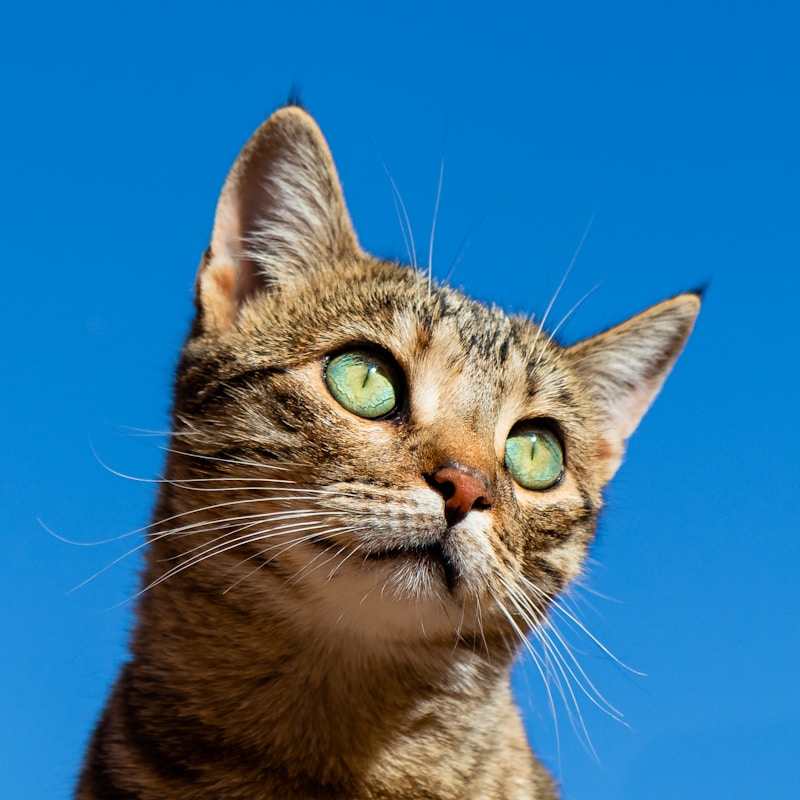
Siberian Cat
Russia's beloved long-haired beauty with surprisingly low allergen levels. Gentle, playful, and great for families.
Sphynx Cat
The iconic hairless breed. No fur means minimal shedding. Wraps you in warmth, literally and emotionally.
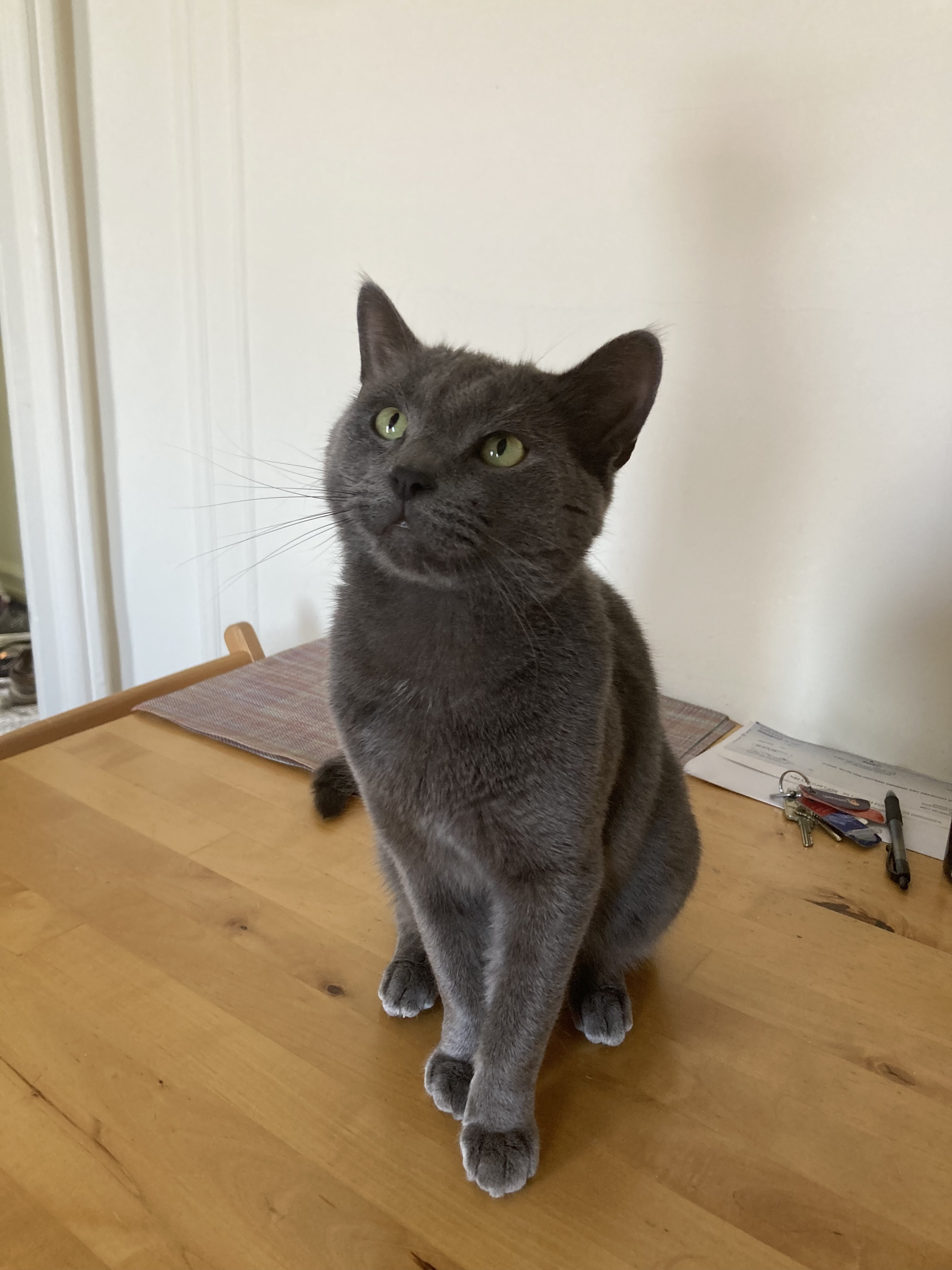
Russian Blue
Elegant silver-blue coat, shy nature, and one of the lowest allergen producers among short-haired cats.
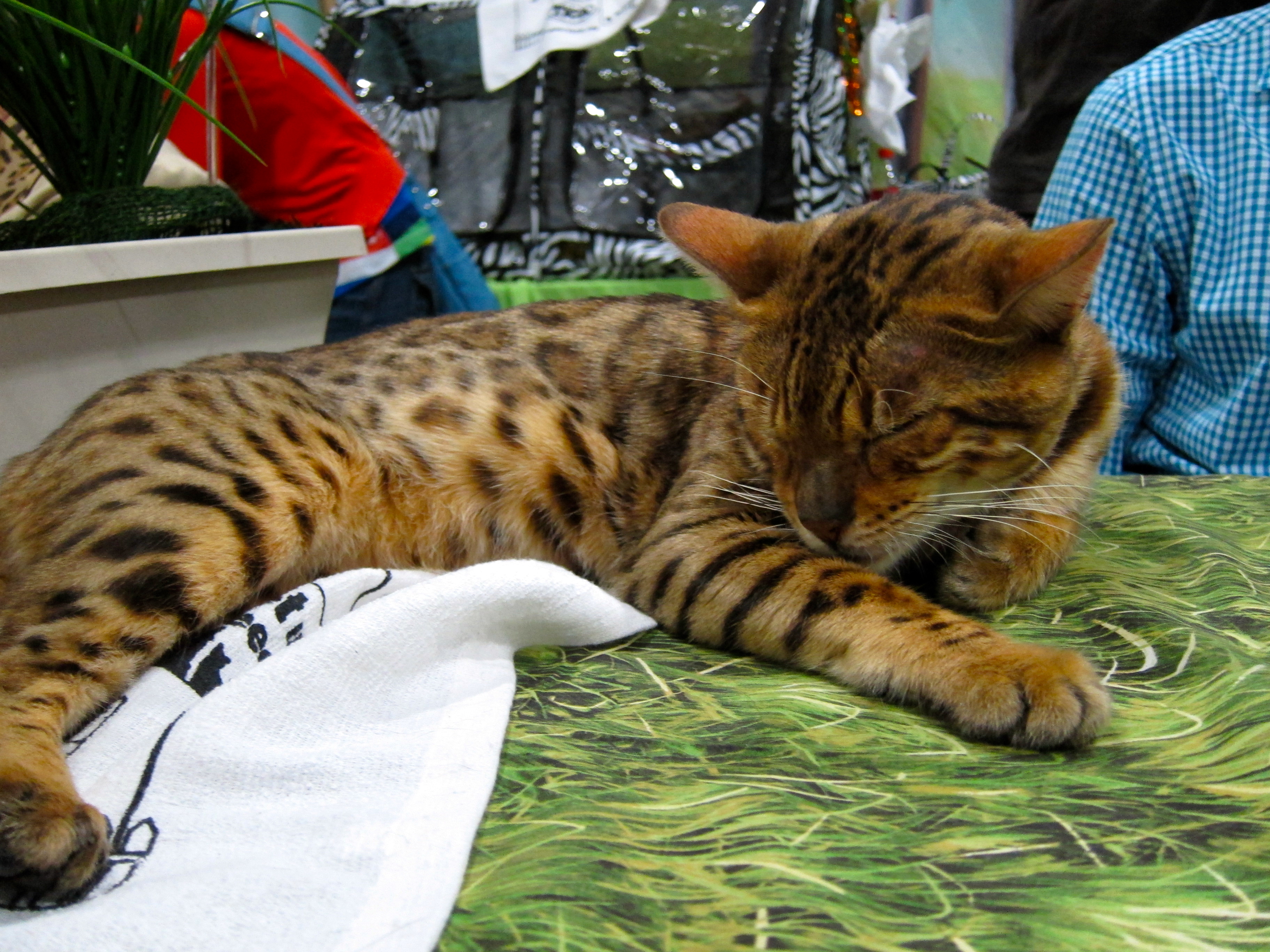
Bengal Cat
Leopard-like spots, playful personality, and a coat that requires minimal grooming, great for allergy sufferers.
Everything About Low-Allergen Cats
From grooming tips to feeding guides — practical advice for living happily with your hypoallergenic cat.
Grooming & Care
Brushing techniques, bathing tips, coat maintenance, and daily care routines for low-allergen cats.
Diet & Nutrition
Hypoallergenic cat food guides, ingredient analysis, and feeding plans for a healthier coat.
Allergy Facts & Myths
What causes cat allergies really? Debunking common myths about "truly" hypoallergenic cats.
Beginner's Guide
First-time cat owner? Our complete guide covers everything from choosing the right breed to building a bond.
What Makes a Cat "Hypoallergenic"?
Contrary to popular belief, it is not cat fur that causes allergic reactions. The real culprit is Fel d 1 — a protein found in cat saliva, skin glands, and urine.
When cats groom themselves, Fel d 1 spreads through their fur and skin. It becomes airborne as dander — tiny particles that trigger sneezing, itching, and watery eyes.
"Hypoallergenic" cats produce lower amounts of Fel d 1, shed less dander, or have coats that trap allergens more effectively. No cat is 100% allergen-free.
Learn the ScienceKey Facts About Cat Allergies
Frequently Asked Questions
The most common questions about hypoallergenic cats, answered by our research team.
No cat is 100% allergen-free. However, certain breeds produce significantly lower amounts of Fel d 1, the primary cat allergen. Breeds like Siberian, Russian Blue, and Sphynx are widely considered hypoallergenic because they either produce less Fel d 1 or shed less dander into the environment.
The Russian Blue is often the best choice for first-time owners with allergies. They are calm, low-maintenance, produce less Fel d 1, and have short coats that are easy to groom. The Siberian is another excellent option — despite their fluffy appearance, they produce surprisingly low allergen levels.
Not necessarily. Fur length does not directly determine allergen levels — it is the amount of Fel d 1 produced and how much dander is shed that matters. The Siberian cat is a perfect example: a long-haired breed that is considered hypoallergenic because it produces lower-than-average Fel d 1.
Yes. Research suggests that certain diets — particularly those with added probiotics, omega-3 fatty acids, and novel protein sources — may help reduce the allergens cats produce. Some commercial "hypoallergenic" cat foods claim to neutralize Fel d 1 in saliva before it is deposited on fur.